




why does pineapple make your mouth tingle?
fresh pineapple is full of bromelain, an enzyme that cuts proteins apart, and it starts breaking down the protein in your mouth's protective lining.
spud explains
 told by spud · · 1 min read
the short answer
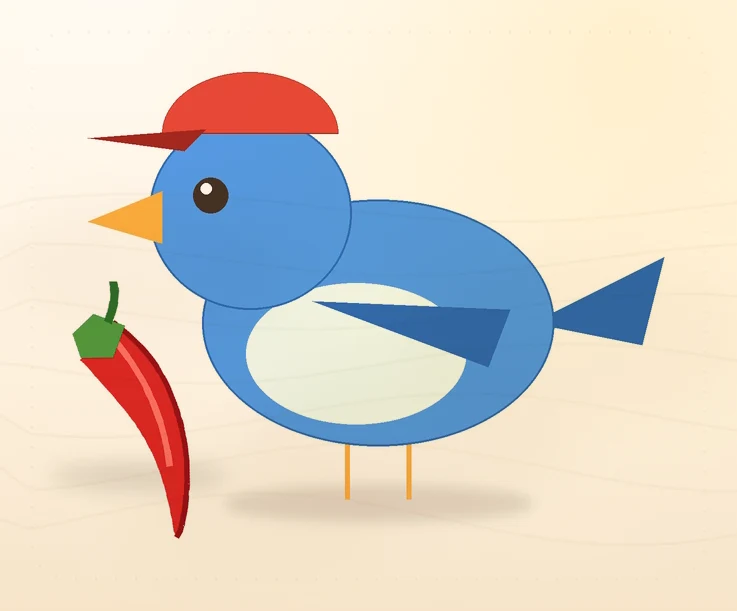
birds can't feel capsaicin, the chemical that makes chilies hot. mammals have a pain sensor called trpv1 that capsaicin switches on, but the bird version of that sensor ignores it. that suits the chili: mice chew up its seeds, while birds swallow them whole and drop them somewhere new, where they can still grow.
gary asked why chilies are spicy. then he ate one. that's the order gary does things in.
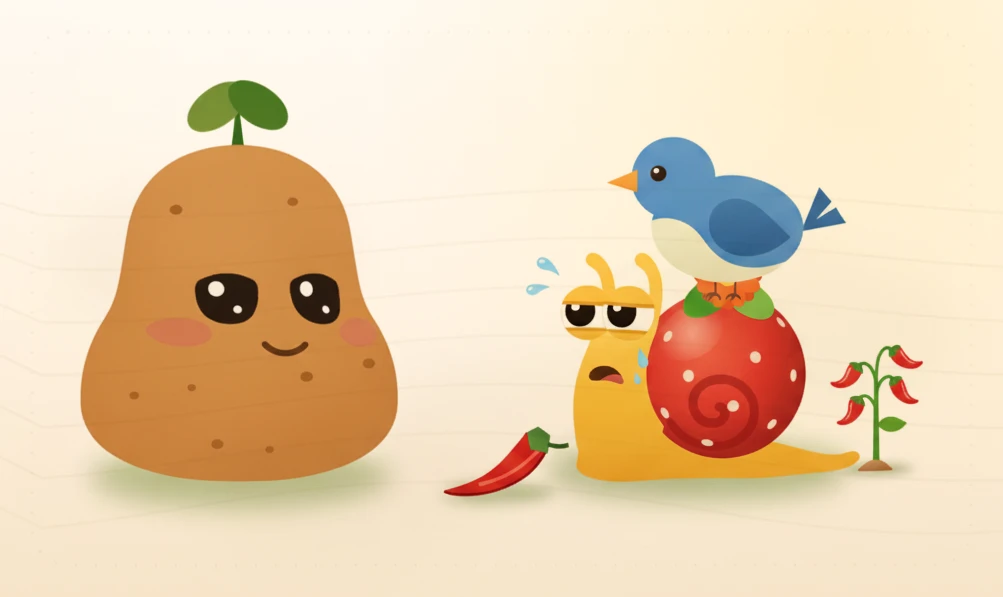
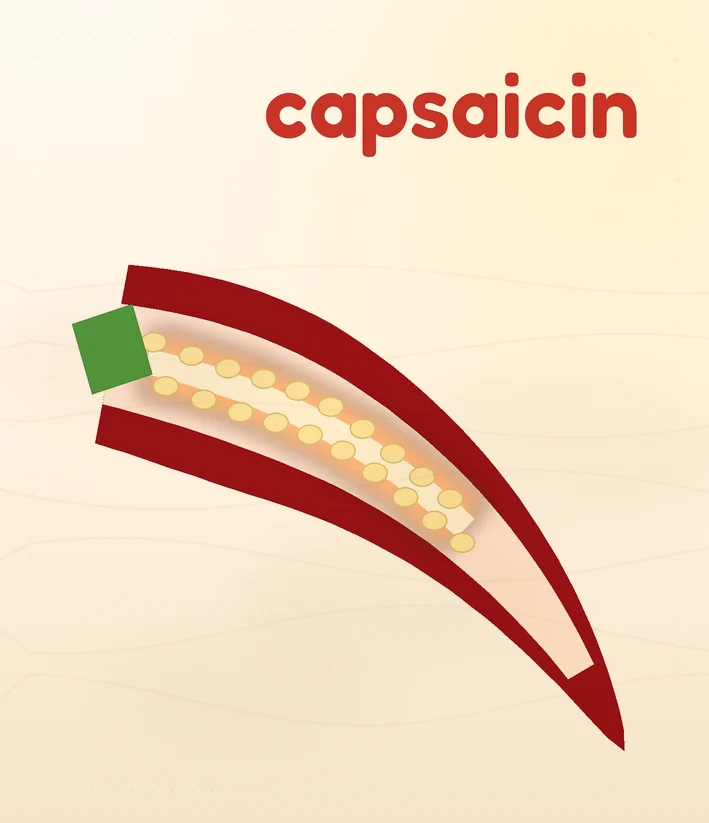
the heat is a chemical called capsaicin. it isn't even in the seeds. it's packed into the white pith inside, right where the seeds hang on.
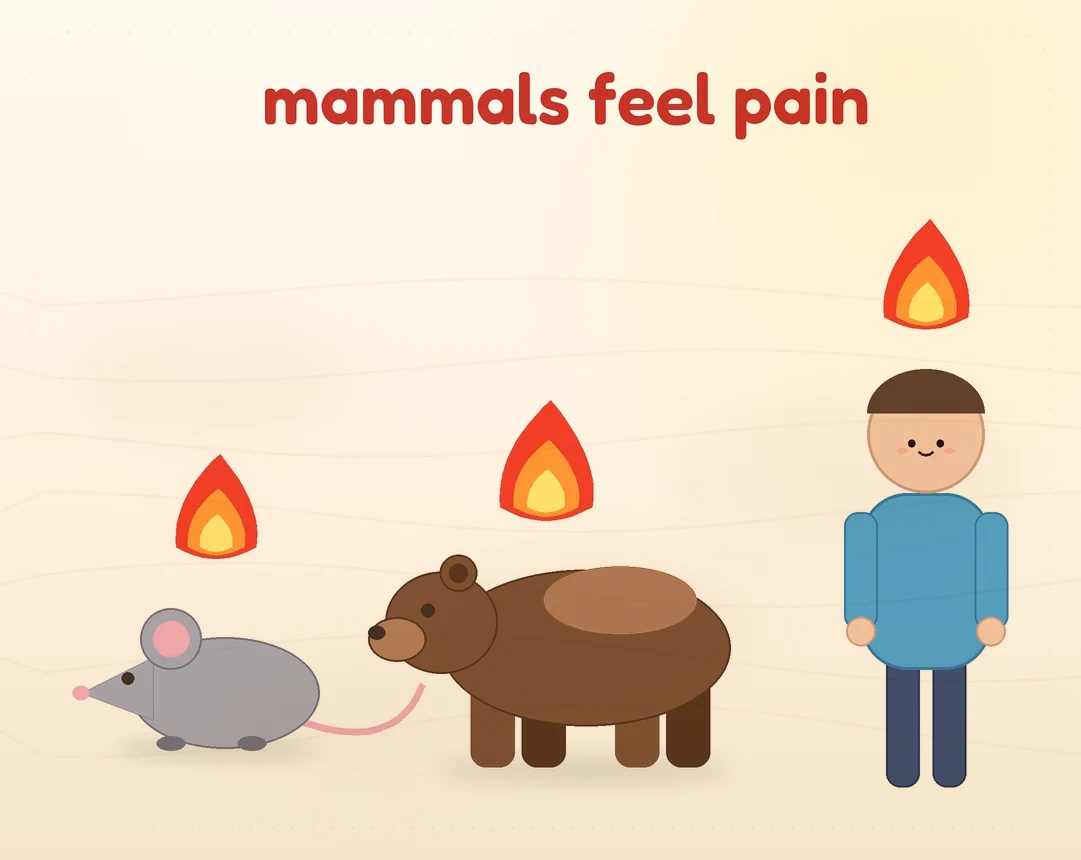
mice, bears and humans all have a sensor on their nerves called trpv1. it's the one that says "hot!" when you touch a stove. capsaicin presses that same button, so a chili feels like it's burning you. it isn't. it's just pretending really well.
birds have trpv1 too, but theirs ignores capsaicin. a real hot stove still hurts a bird. a chili does nothing.
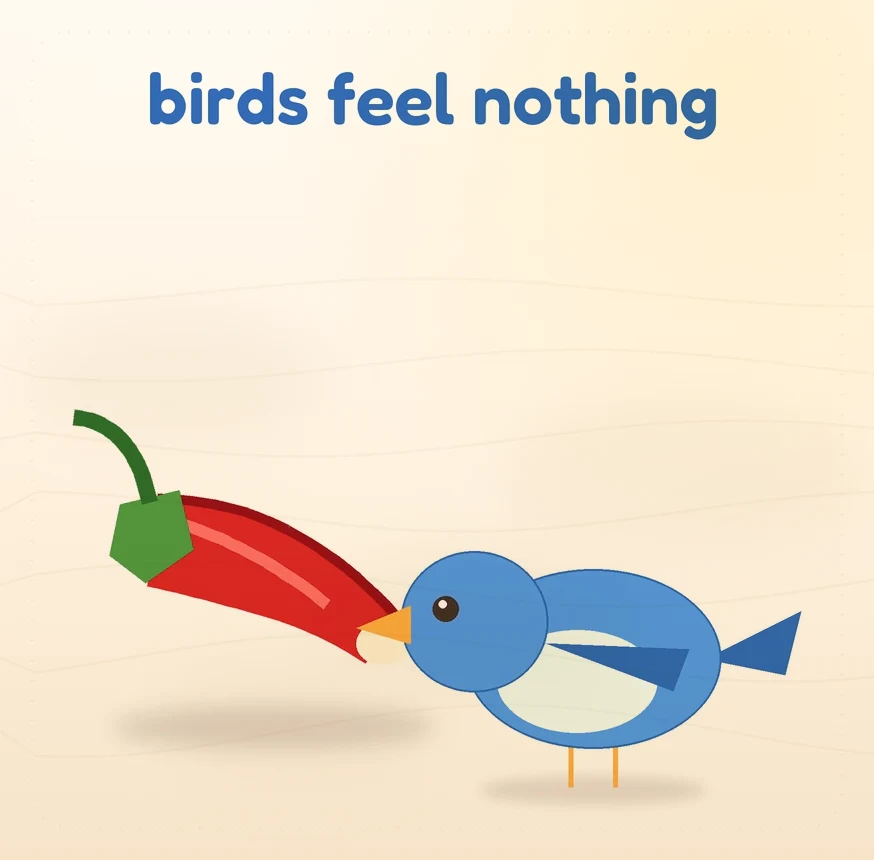
scientists in arizona watched wild chilies and found that only birds ate them, mostly curve-billed thrashers. the cactus mice and pack rats wouldn't touch them. that's because a mouse chews the seeds, and a chewed seed is a done seed.
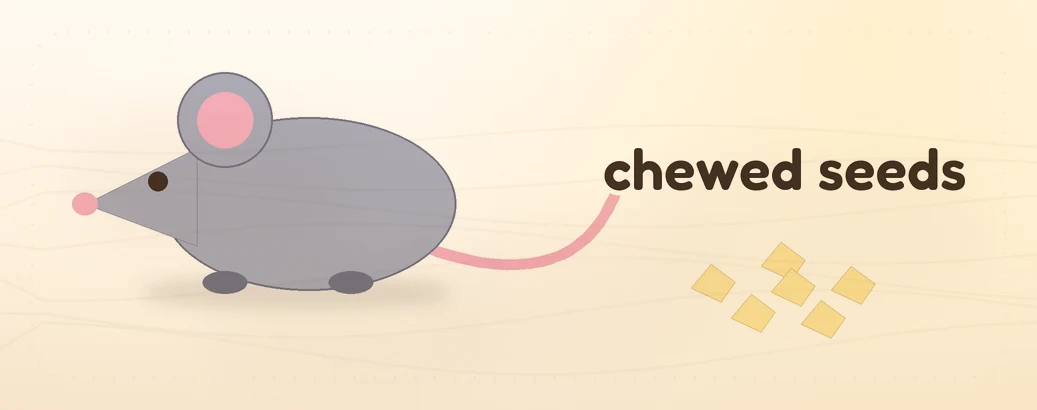
a bird swallows the seeds whole, flies off and poops them out somewhere new. those seeds still grow. the chili picked its delivery service.
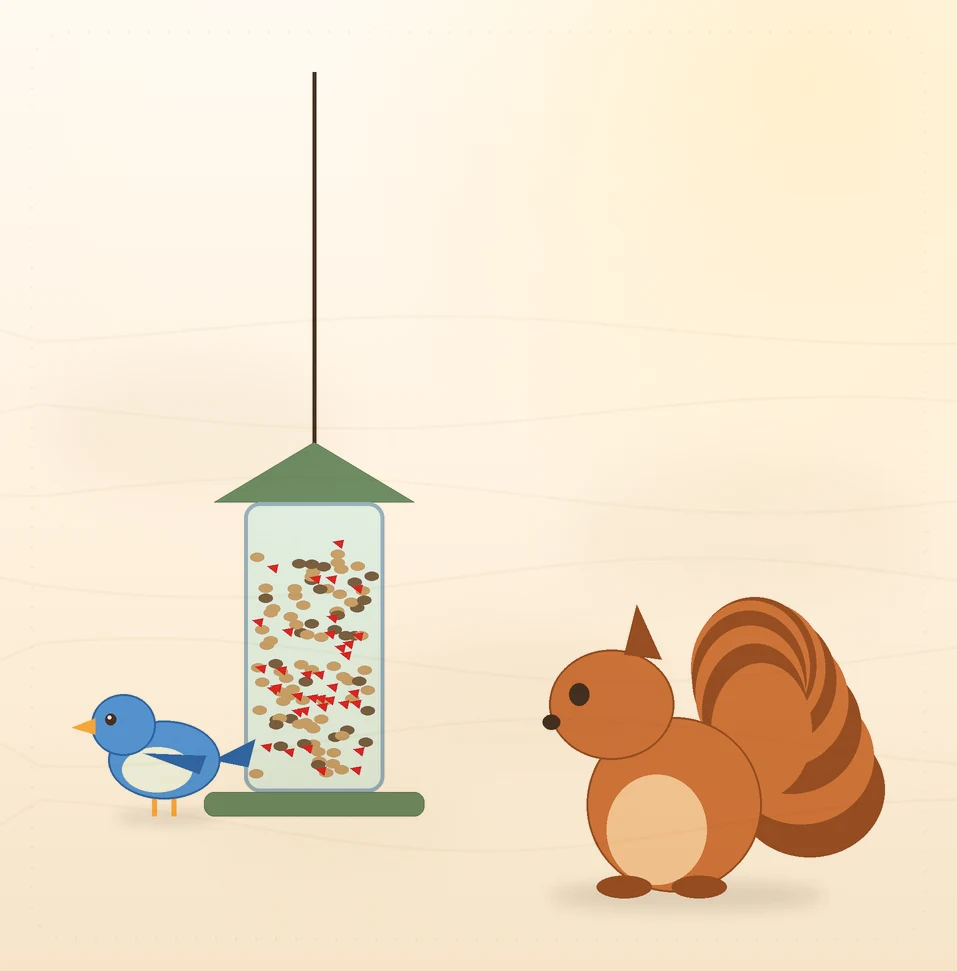
people use the same trick. there's bird seed coated in chili. in a test in new york, squirrels ate a lot less of it, and the birds kept coming. it didn't stop chipmunks, though.
gary says he's basically a bird. gary is a snail. he ate the chili anyway and said it wasn't spicy. ...he lied.
if you like little facts, i keep a field of them in spudnote. it's a notes app where every note grows into a sprout. i live there.
chilies don't burn birds, because their trpv1 sensor doesn't respond to capsaicin. in the wild, birds are the main animals that eat chilies, and the seeds they swallow pass through whole and can still grow.
in a 2000 cornell study, seed treated with capsaicin cut how much squirrels ate and how long they fed, while bird visits stayed the same or went up. it didn't keep eastern chipmunks away.
capsaicin is made in the white pith that holds the seeds, not in the seeds themselves. the pith where the seeds attach has the most.
sources checked nov 13, 2026.

spudnote
notes so simple a potato could use them