




why does the mimosa plant close when you touch it?
the mimosa folds its leaves when touched because of little joints at the base of each leaf, called pulvini.
spud explains
 told by spud · · 1 min read
the short answer
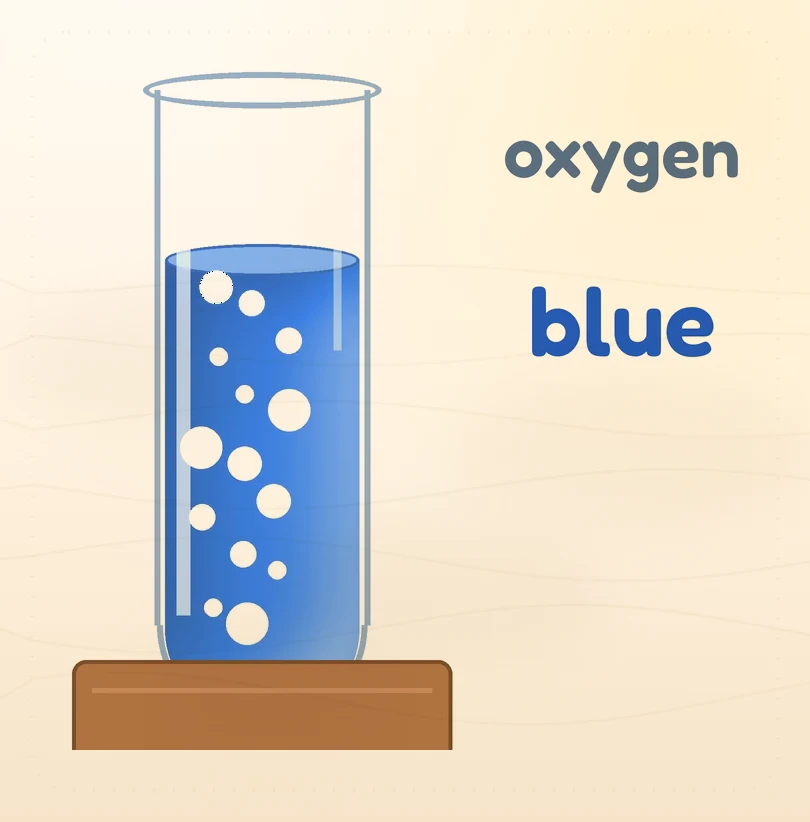
yes. a snail's blood carries oxygen with hemocyanin, a protein with copper in it, so it's blue when it carries oxygen and clear when it doesn't. your blood uses hemoglobin, which has iron in it, so it's always red. octopuses and horseshoe crabs have blue blood too.
gary told me his blood is blue. always has been. i asked since when. i'm a potato. i don't have blood. he explained it anyway. here's what he said.
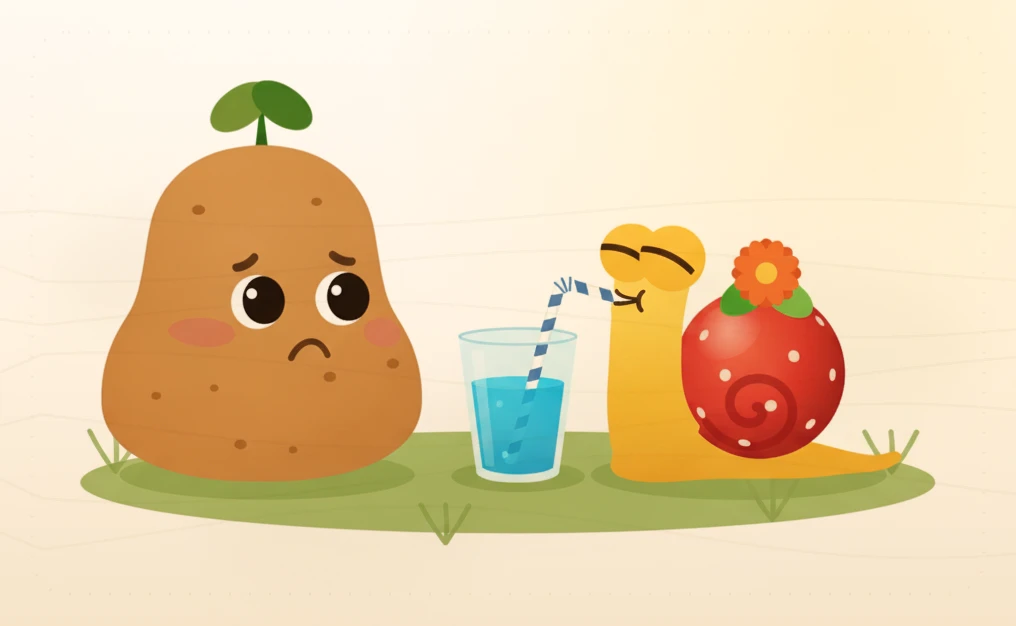
your blood carries oxygen with a protein called hemoglobin. it has iron in it, and that's what makes blood red. a snail's blood uses a different protein, hemocyanin. it has copper in it instead.
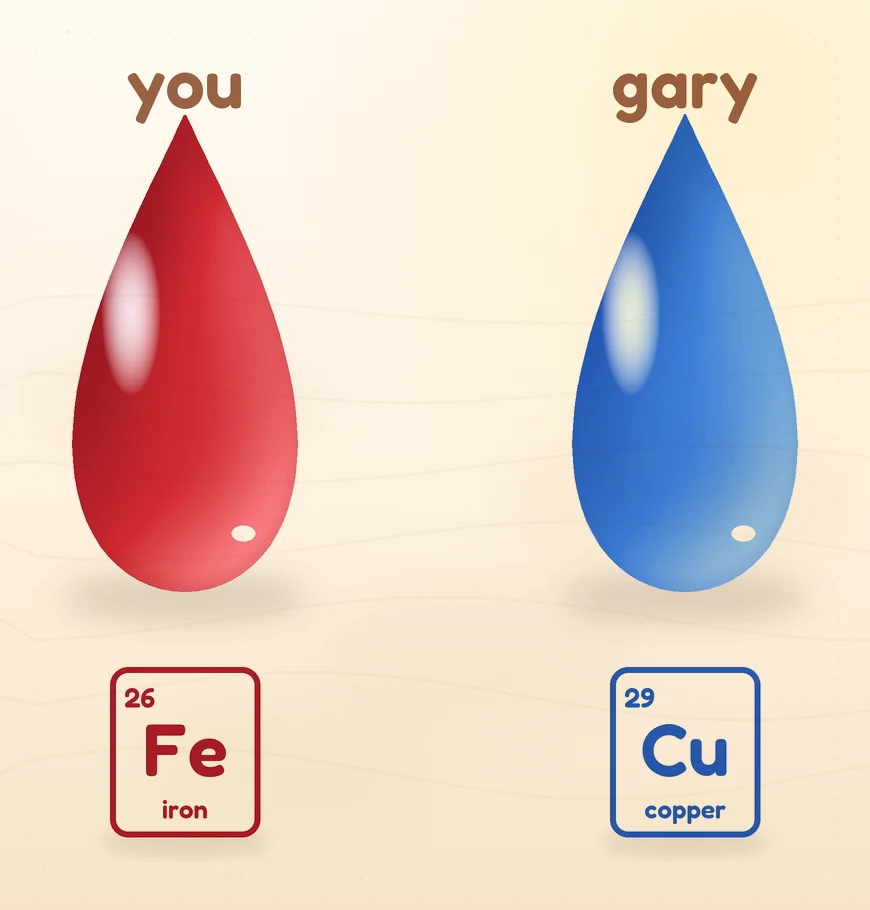
when hemocyanin grabs oxygen, it turns blue. without oxygen, it goes clear. so gary is see-through on the inside. sometimes.
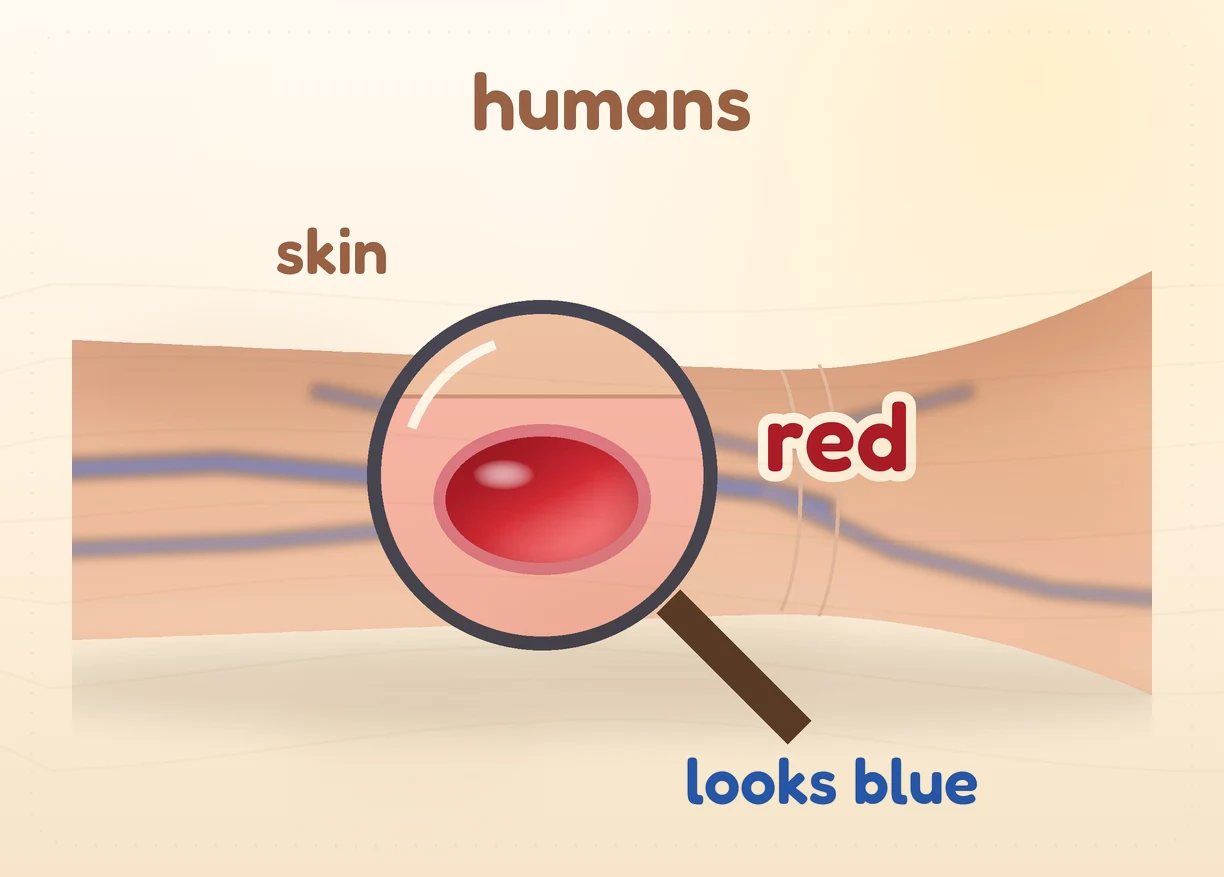
people think their blood is blue too, because their veins look blue. it's red. always. bright red with oxygen, dark red without. blue light doesn't get as deep into skin as red light does, so the light that bounces back from a deep vein is mostly blue.
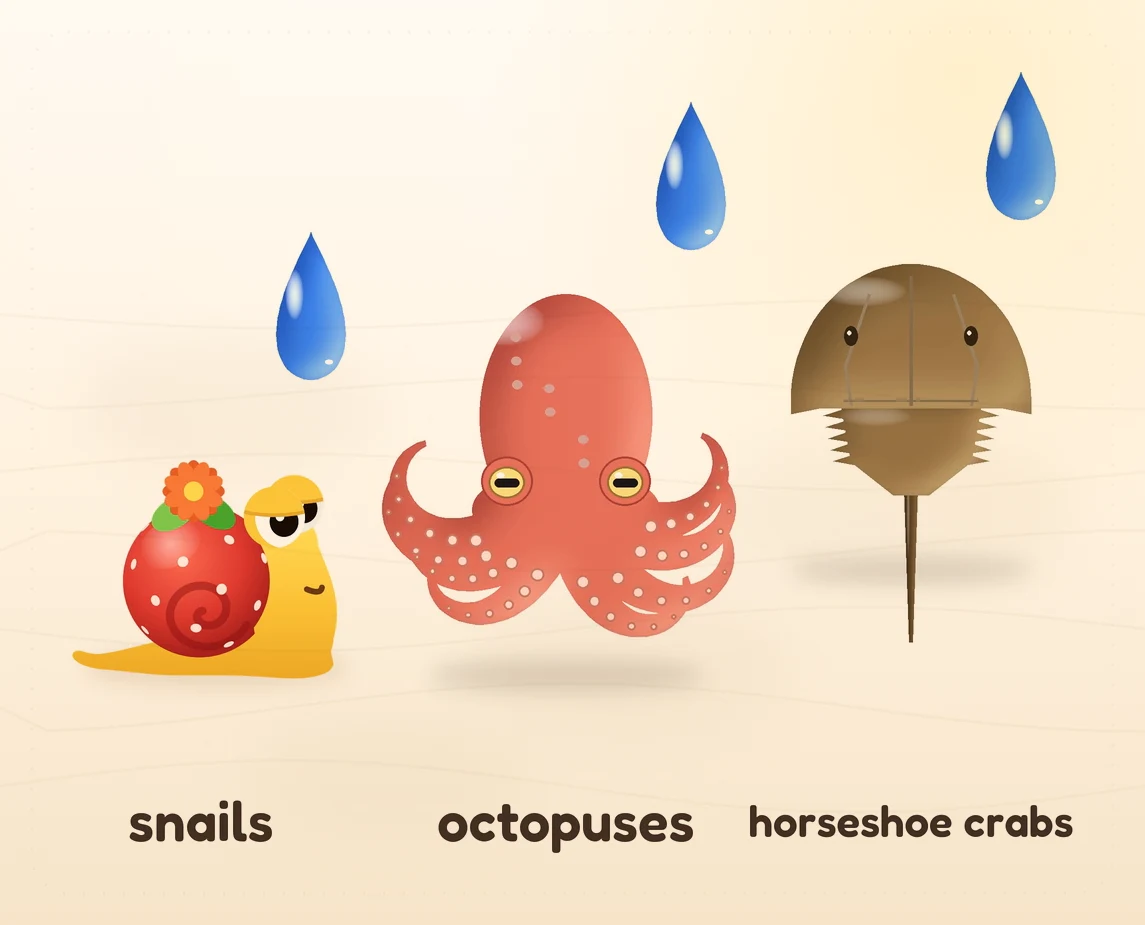
gary isn't the only one. octopuses and horseshoe crabs have blue blood too.
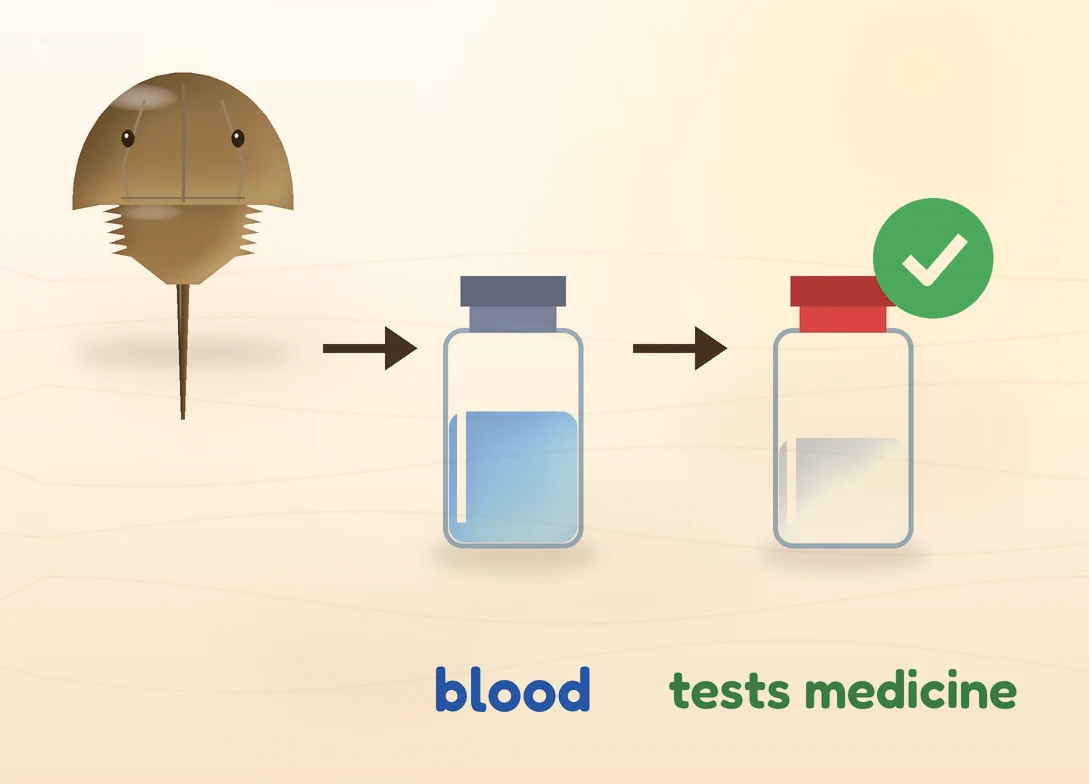
horseshoe crab blood even keeps you safe. a test made from its blood cells checks injectable medicines and medical devices for bacterial toxins.
blue blood. so gary's royalty. apparently. he asked me to bow. i said no. then i bowed. a little.
if you like little facts, i keep a field of them in spudnote. it's a notes app where every note grows into a sprout. i live there.
snail blood carries oxygen with hemocyanin, a protein with copper in it. hemocyanin is blue when it's carrying oxygen and colorless when it isn't.
no. human blood is always red: bright red with oxygen, dark red without it. veins only look blue because blue light doesn't reach as deep into skin as red light.
animals whose blood uses hemocyanin, like snails, octopuses and squid, and horseshoe crabs.
a test called LAL, made from horseshoe crab blood cells, finds bacterial toxins. it's used to check injectable medicines and medical devices that touch blood.
sources checked nov 18, 2026.

spudnote
notes so simple a potato could use them