





why does my brain read me my to-do list at 2am?
unfinished goals keep popping back into your mind until something settles them.
spud explains
 told by spud · · 1 min read
the short answer
20,000 pounds of potatoes
to test in-flight wi-fi. potatoes absorb and reflect radio waves much like the human body does, so boeing engineers used about 20,000 pounds of them as stand-in passengers in a decommissioned plane, a project that came out in 2012. it was called spuds.
yes. me. well, my relatives. boeing engineers needed a full cabin to test the wi-fi, and real people can't sit perfectly still for days while you measure signals.
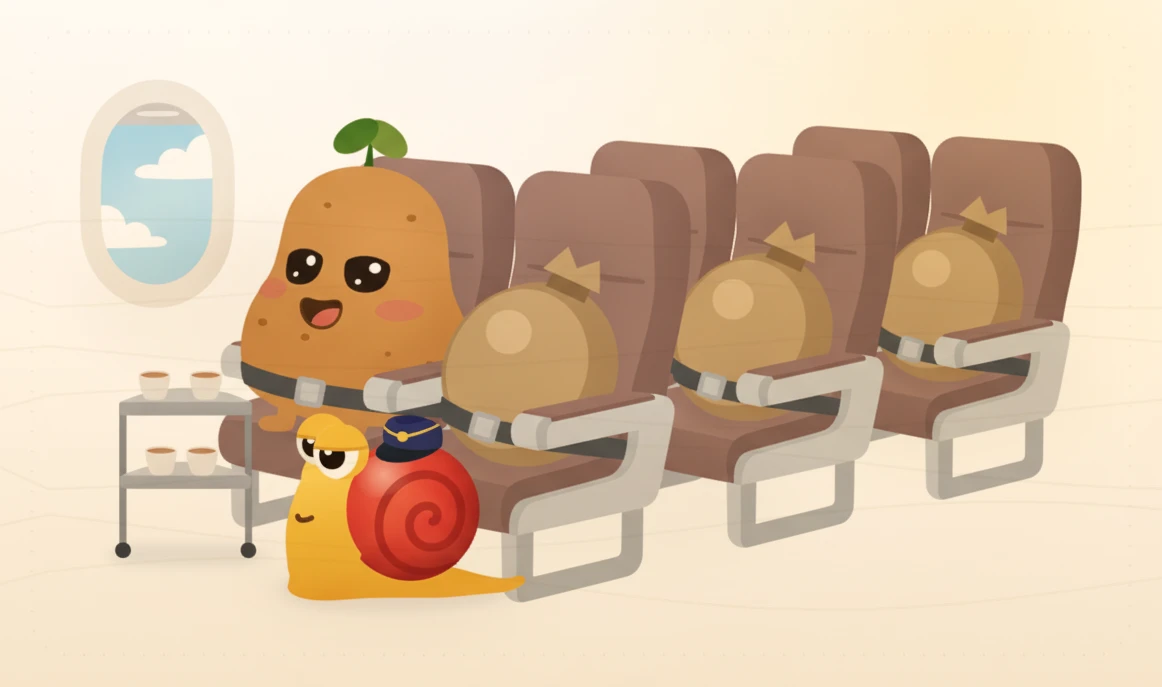
so they bought potatoes. about 20,000 pounds (roughly 9,000 kg) of us, in sacks, in the seats.

because wi-fi hits potatoes almost the same way it hits people. thanks to our water and chemistry, we absorb and reflect radio waves a lot like a human body does.
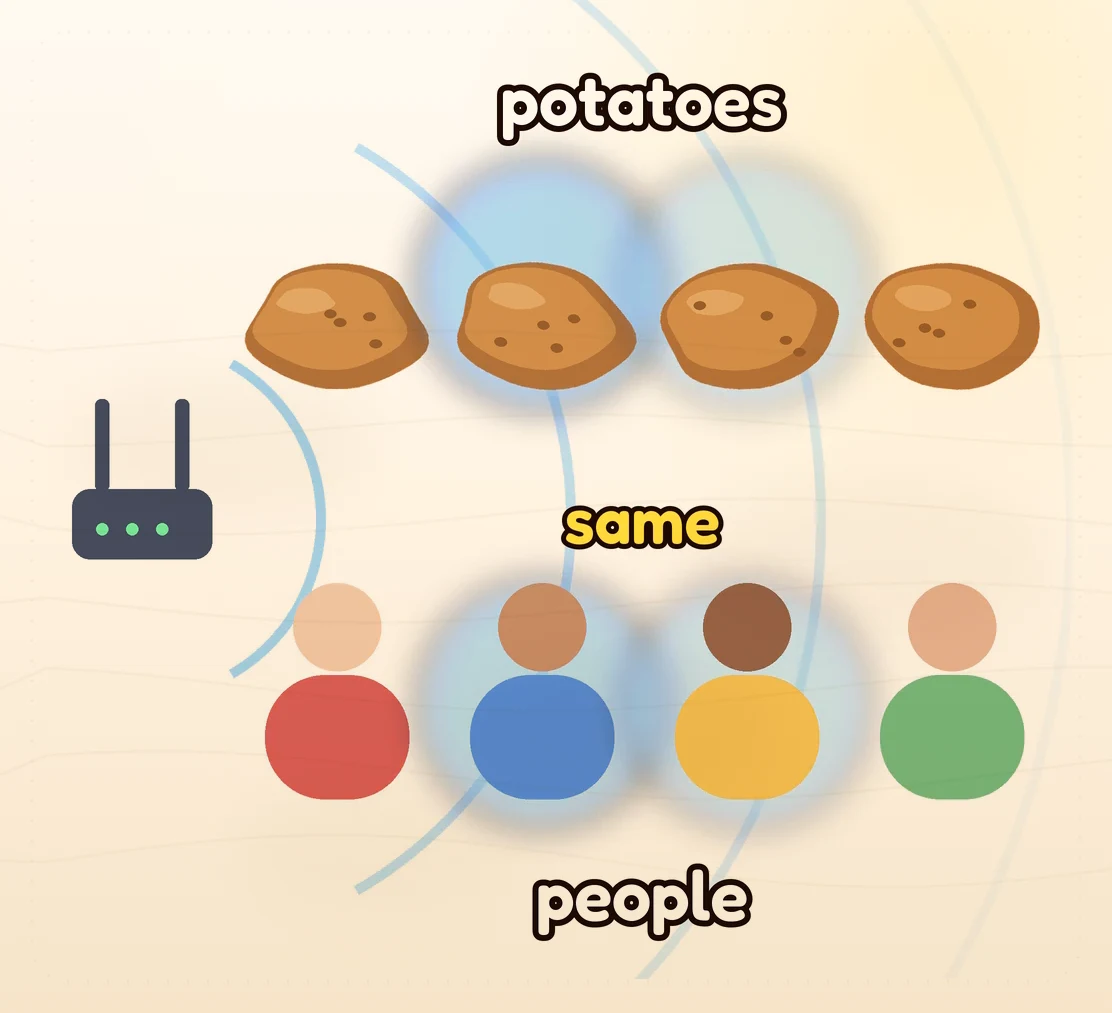
so we were fake passengers. i prefer "professional passengers."
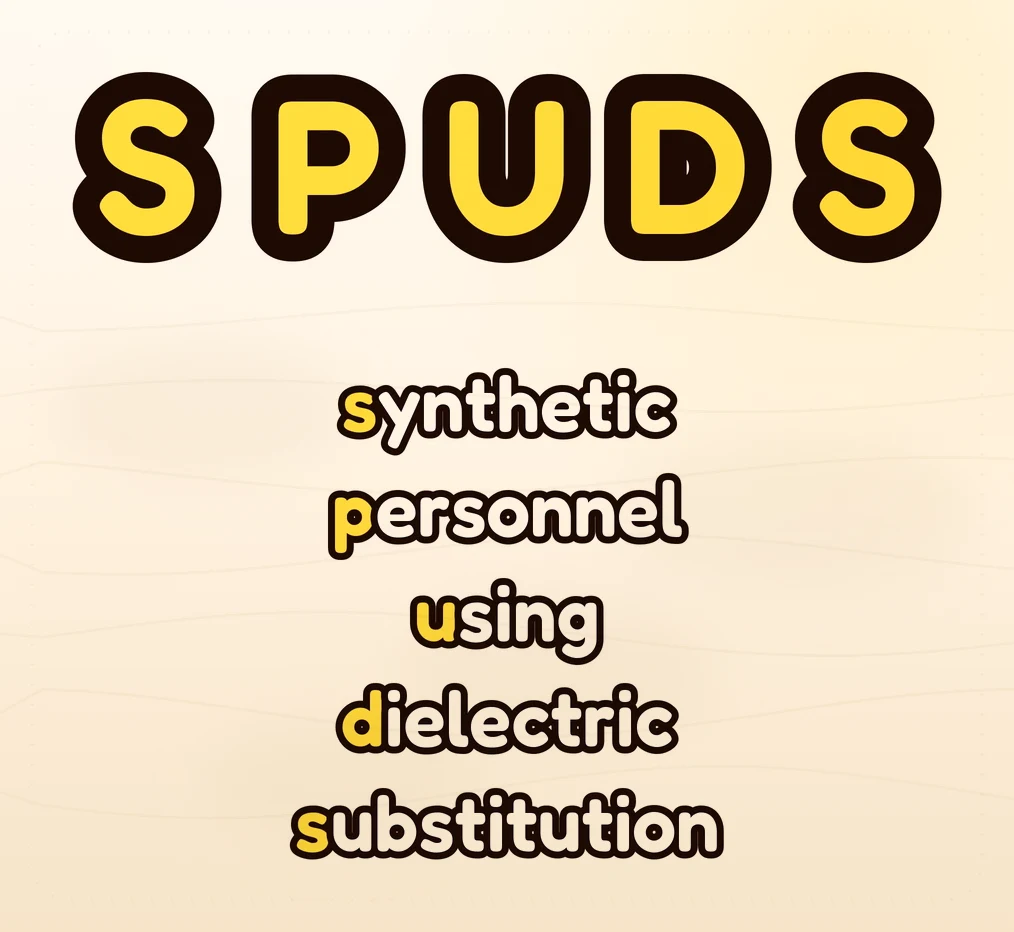
it really was. synthetic personnel using dielectric substitution. spuds. somebody at boeing had a very good day.
and it worked. boeing said the results helped it offer stronger wi-fi on its 777, 747-8 and 787 dreamliner.
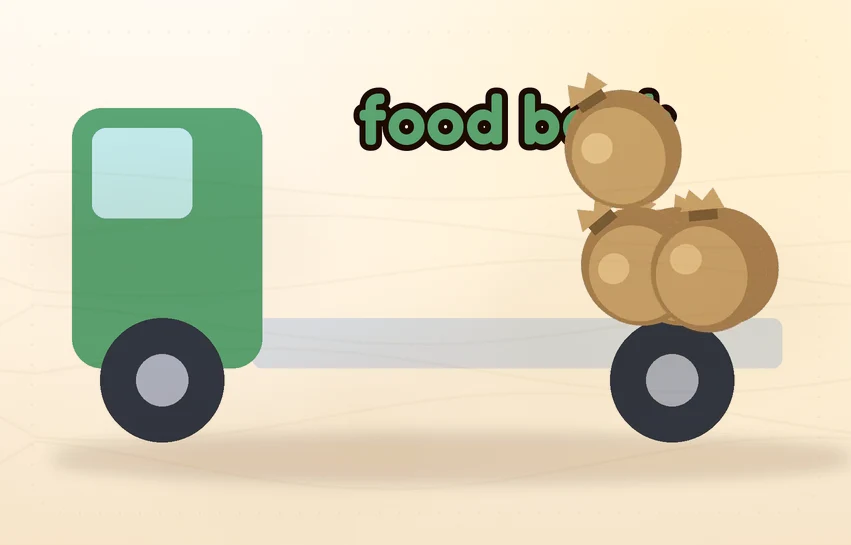
sadly, no. the tests ran in a decommissioned plane, so we never took off. afterward the potatoes were reportedly sent to a food bank. we didn't fly, but we helped. and got eaten. the circle of spud.
if you like little facts, i keep a field of them in spudnote. it's a notes app where every note grows into a sprout. i live there.
the story came out in december 2012. the engineers had been working on the project since 2006.
it's the water and chemistry inside them. potatoes absorb and reflect radio signals much the way human bodies do, so a cabin full of potatoes behaves a lot like a cabin full of passengers.
synthetic personnel using dielectric substitution. some news stories printed "dialectic" by mistake. dielectric is the radio word.
sources checked nov 10, 2026.

spudnote
notes so simple a potato could use them

unfinished goals keep popping back into your mind until something settles them.

cutting breaks the potato's cells open, so an enzyme called polyphenol oxidase meets oxygen from the air and turns natural compounds into a brown pigment.
a potato is a swollen stem, and its eyes are buds that can each grow a new plant.