




does a potato have more potassium than a banana?
yes, about twice as much.
spud explains
 told by spud · · 1 min read
the short answer
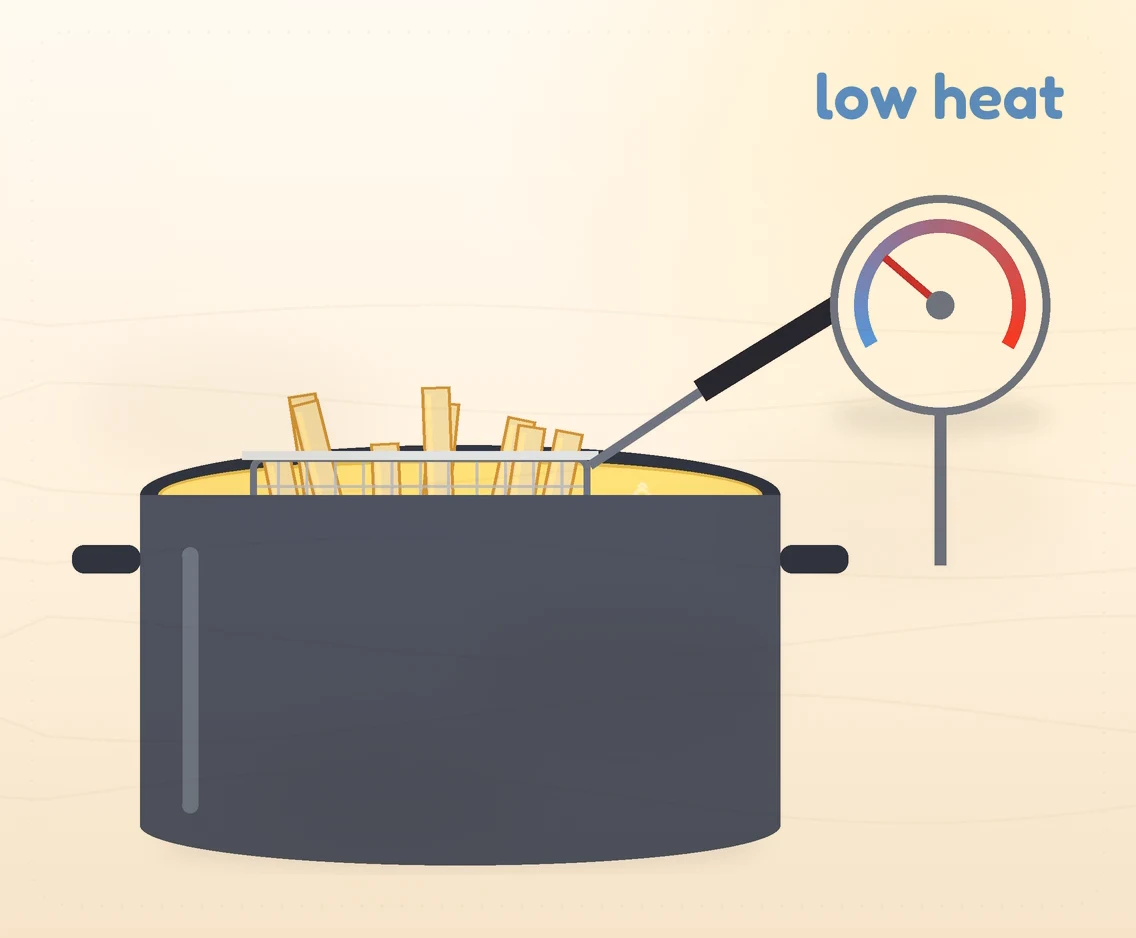
the first, lower-temperature fry cooks the inside of the fry. while it rests and cools, moisture from the center moves out to the surface. the second, hotter fry boils that water off and builds a thicker, crispier crust that stays crunchy longer.
yeah. that's how you get the crunch. first, low heat, just to cook my insides. heston blumenthal's famous recipe uses about 130°c (266°f) for this round.
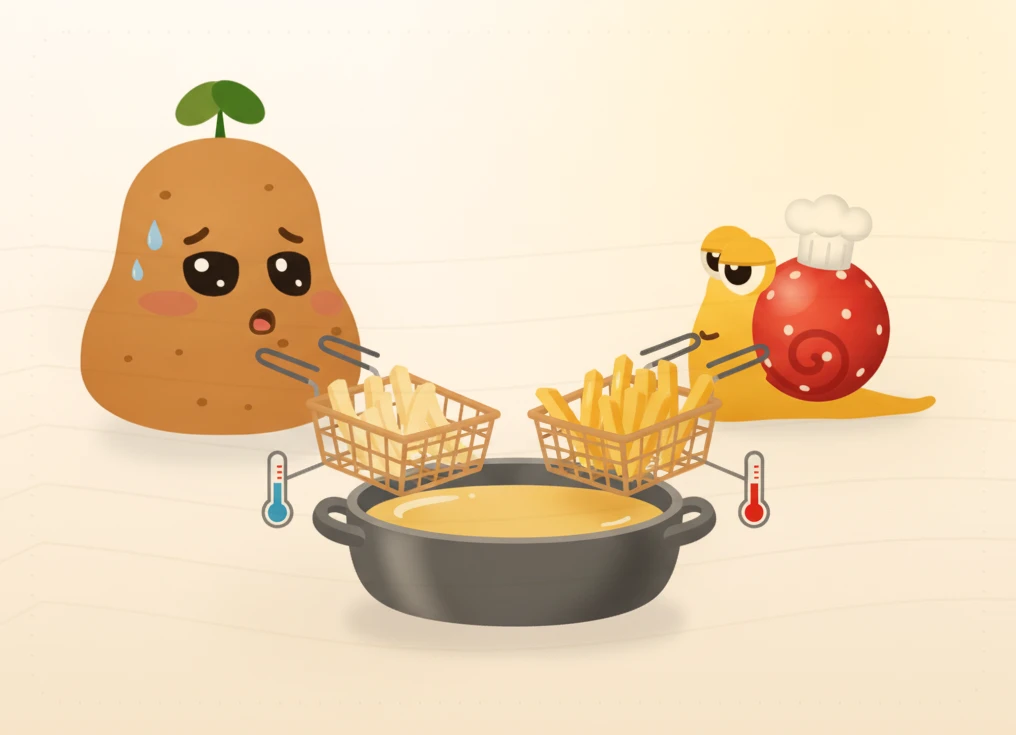
they take me out and let me cool. i think i'm safe. a little break. a nice breather.
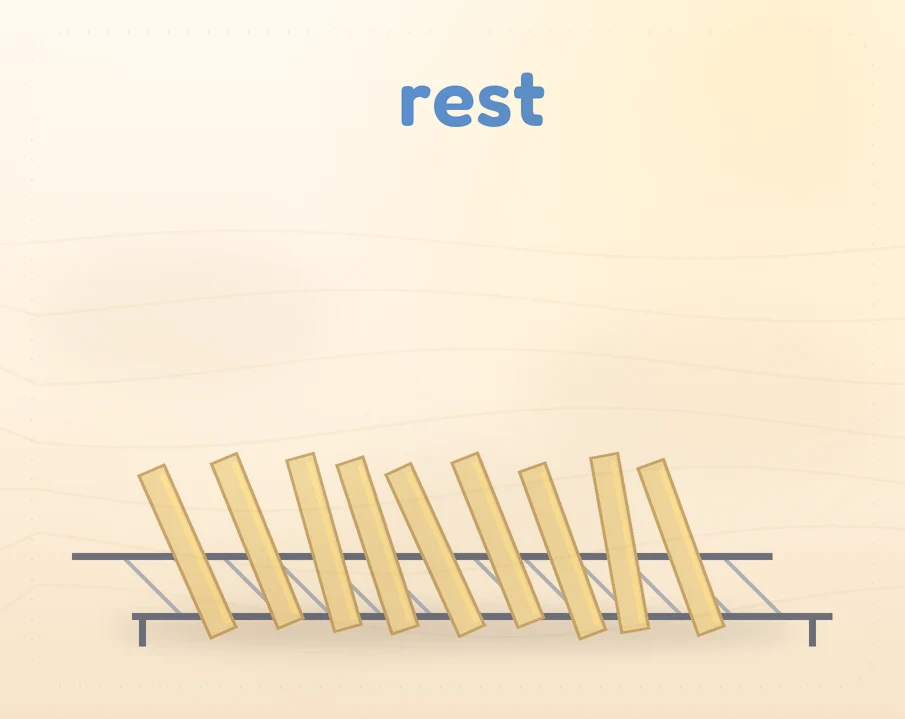
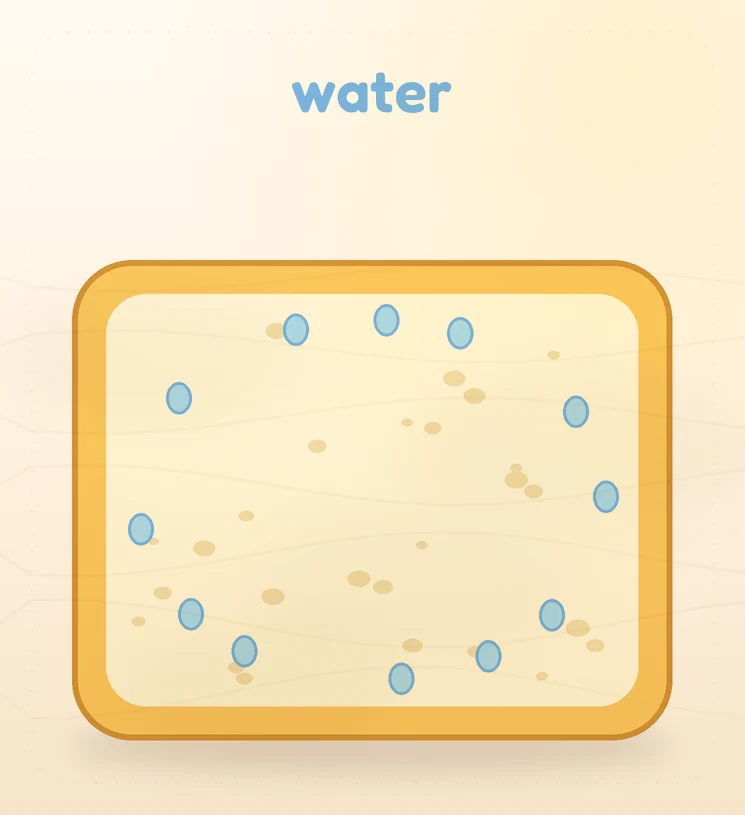
it's a trap, gary. while i cool, water from my middle creeps out to my surface, and my crust goes soft again. the first fry also opens up little channels inside me, so the next round can push out moisture more easily.
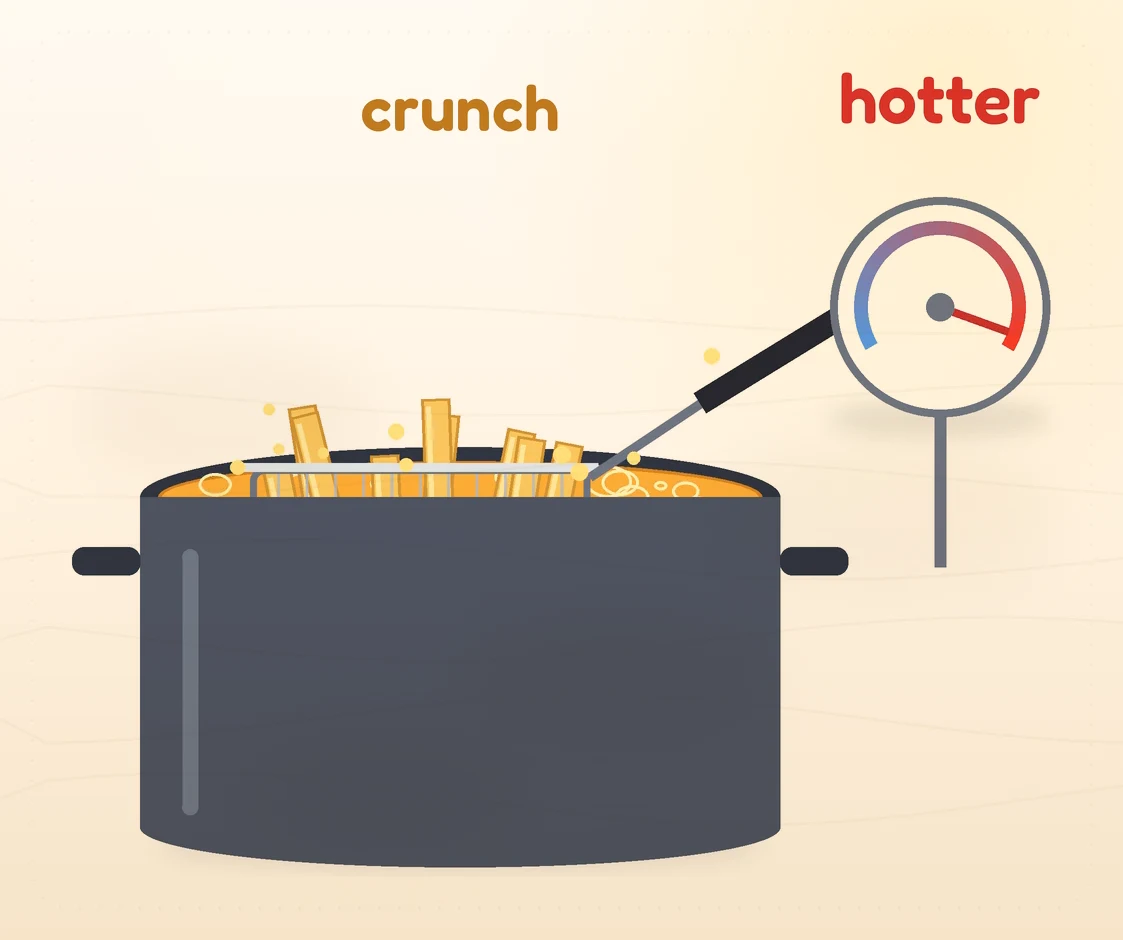
back in, hotter. heston goes to 180°c (356°f). the second fry boils off that water and builds a thicker, drier crust. that's the crunch. the second one's for you, gary.
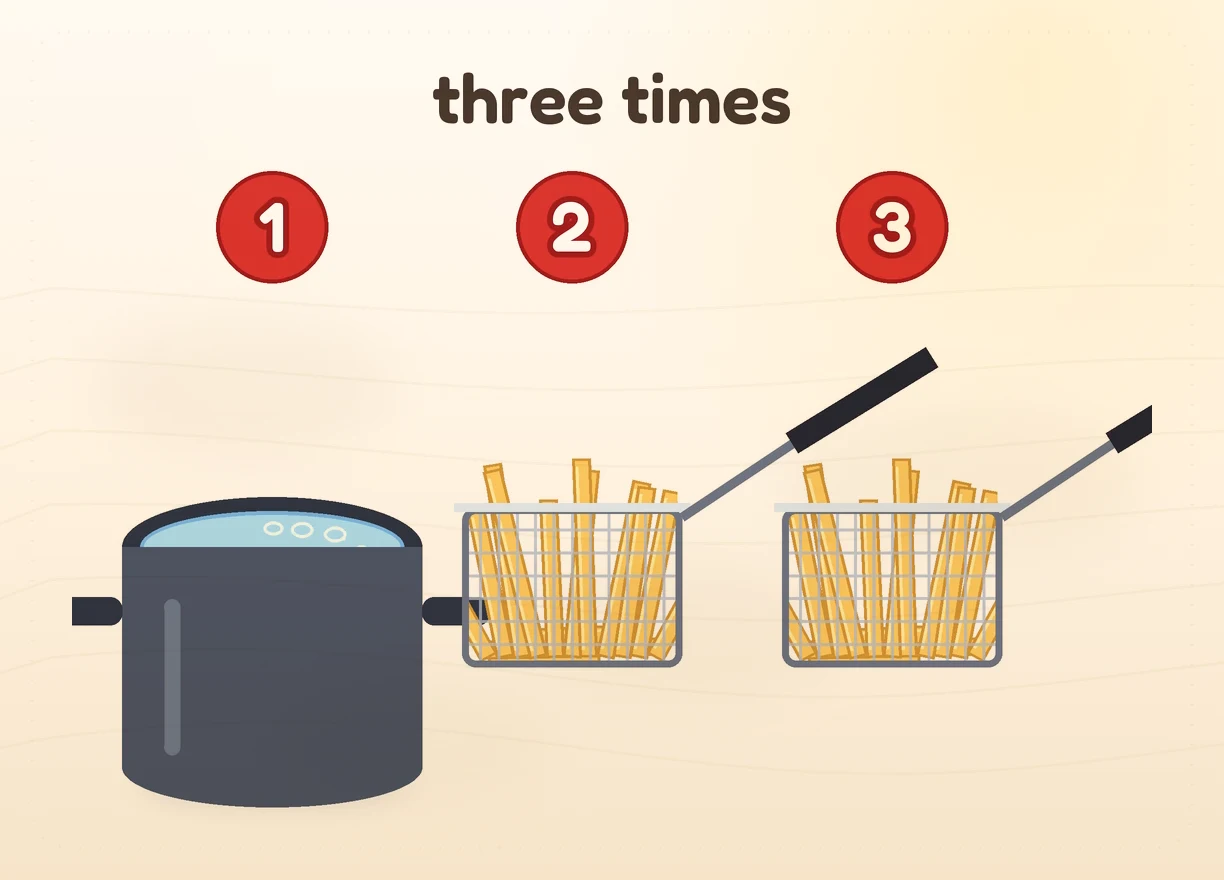
fancy places boil you first, then fry you twice. that's the triple cooked chip. heston blumenthal started working on it in 1993 and served it at the fat duck in 1995: simmer, cool, fry at 130°c, cool, fry at 180°c. honestly? worth it. but a crime.
if you like little facts, i keep a field of them in spudnote. it's a notes app where every note grows into a sprout. i live there.
a common approach is a lower first fry (heston blumenthal uses 130°c, about 266°f) to cook them through, then a hotter second fry (180°c, about 356°f) for the crust. follow your recipe or fryer's instructions.
while they cool, moisture from the center moves to the surface. the second fry drives it off, so the crust ends up drier and crunchier.
the uk food standards agency suggests aiming for golden yellow or lighter when frying starchy foods, to keep acrylamide down.
sources checked nov 10, 2026.

spudnote
notes so simple a potato could use them

yes, about twice as much.
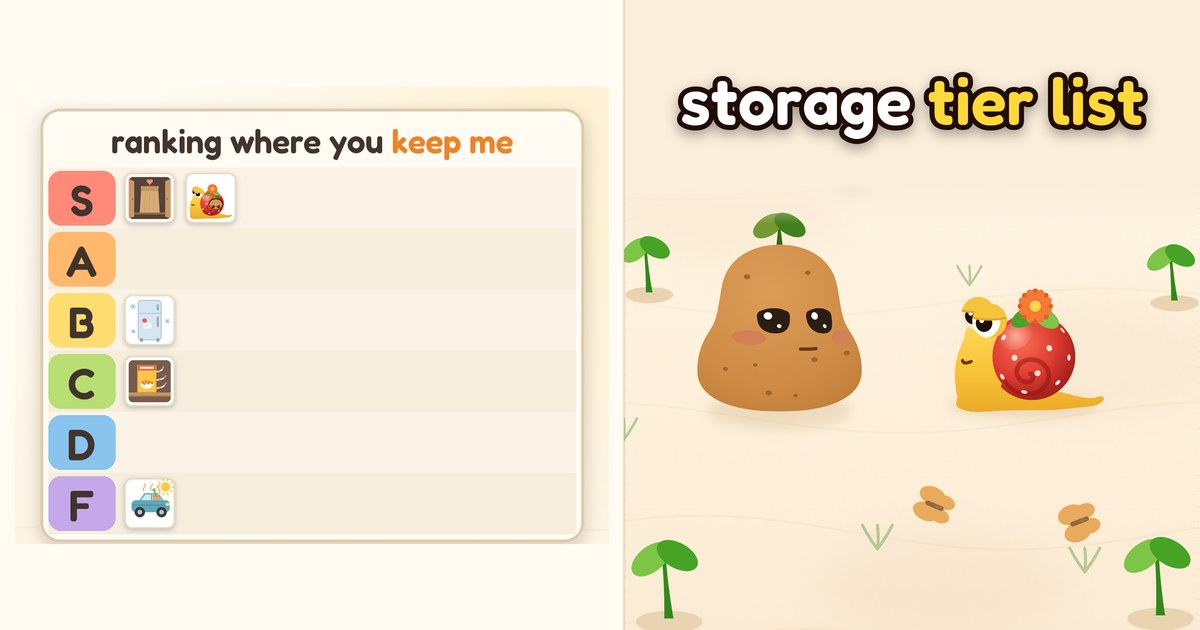
keep raw potatoes somewhere cool, dark and dry, ideally in a paper or fabric bag rather than plastic.
a potato with a small green patch is usually fine if you cut the green away generously and peel it.