




how does a potato battery work?
push a zinc nail and a copper coin into a potato and you get a bit under a volt (about 0.76 v in lab tests).
spud explains
 told by spud · · 1 min read
the short answer
they might be. snails and slugs chew large, ragged holes in potato leaves, and slugs can tunnel into the potatoes underground, letting other bugs and rot in. they feed at night, so you often see the damage before the culprit.
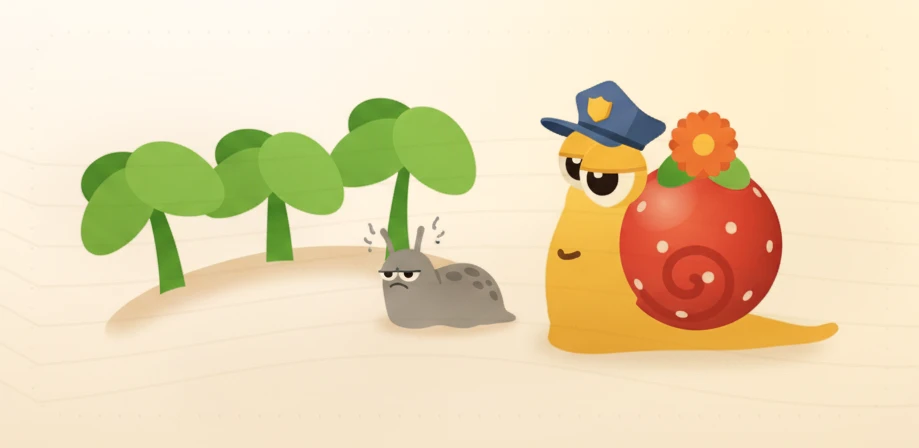
today's lesson. i didn't say you, gary.
snails chew ragged holes in the leaves. slugs do too, and some go further: they tunnel right into the potatoes underground. that lets other bugs and rot in after them. rude.
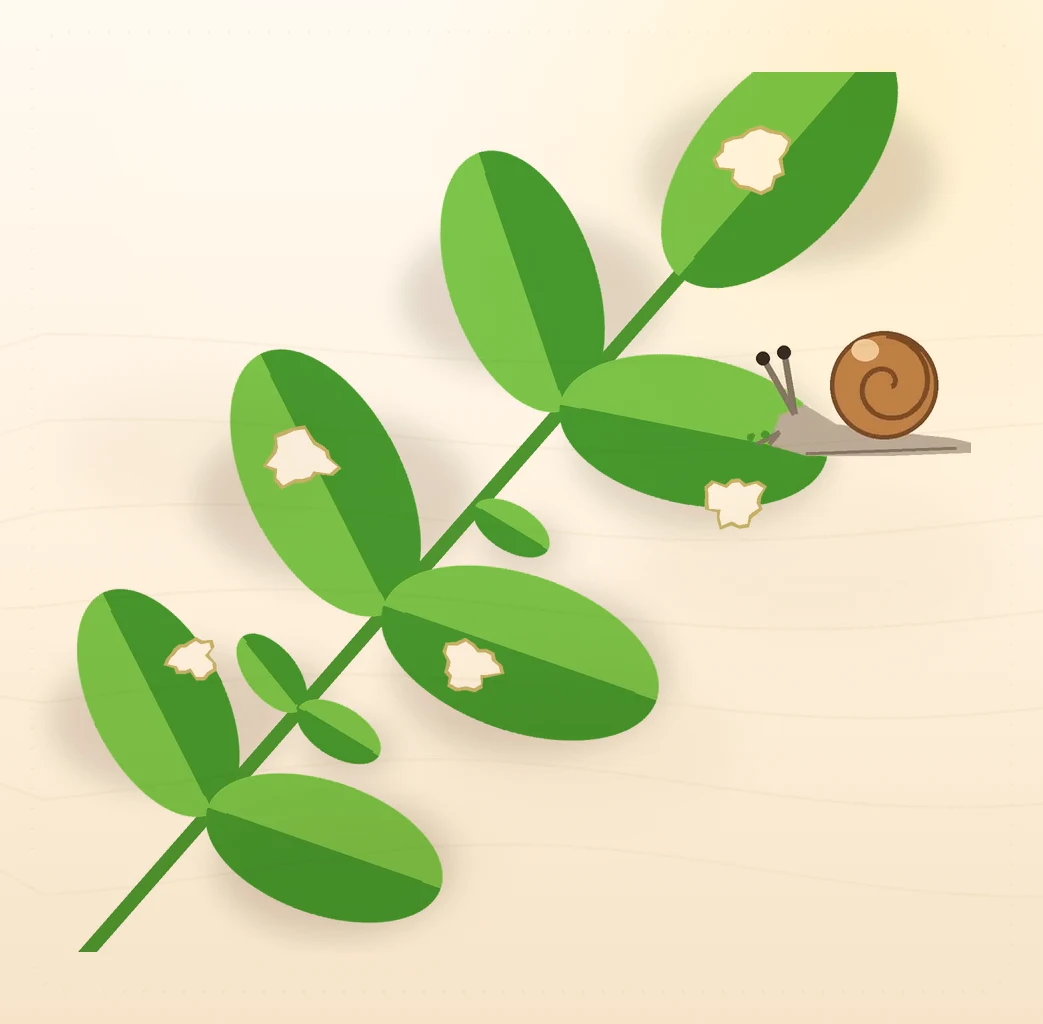
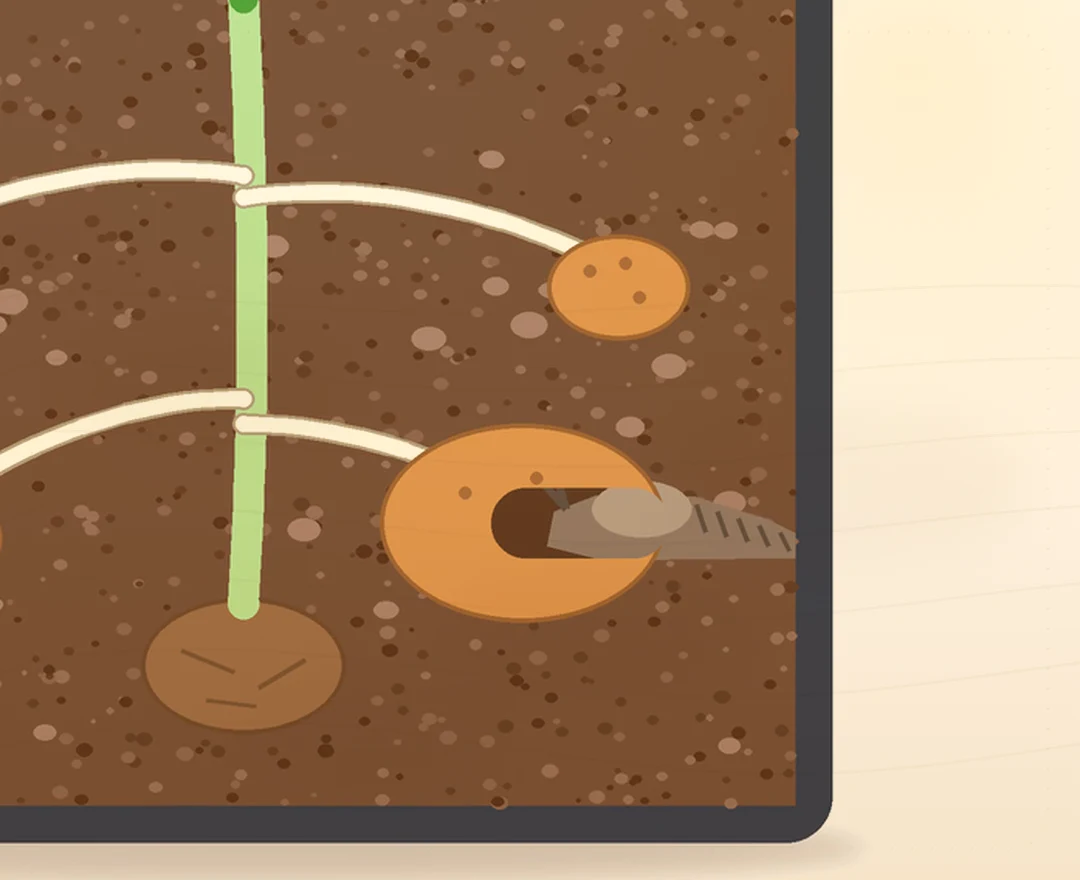
the sneakiest are keeled slugs. they live in the soil, so you might never see them, just the holes. most of the munching happens at night or on rainy days. and they're not subtle about it: the rhs lists potatoes and other tubers among the plants most at risk.
gardeners complain about them more than almost any other pest. in the uk, slugs and snails keep landing at number one on the royal horticultural society's yearly pest list, and in 2020 gardeners reported them chewing potatoes and beans.
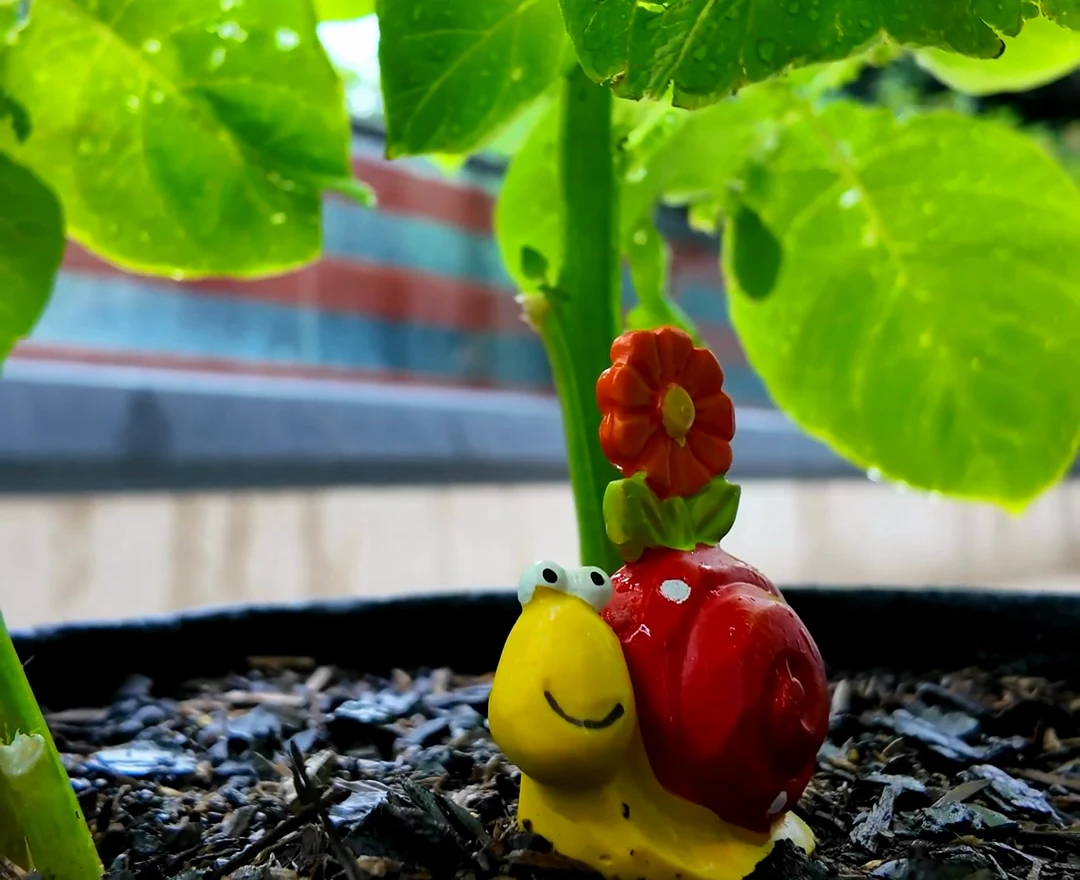
gary, you're a snail. gary says he's ceramic. that's exactly what a pest would say.
okay, that's true. he's been in that dirt two months and hasn't taken a single bite. he's just been sitting there. guarding it. from snails.
and real snails need calcium to build their shells, so they're much more of a problem on chalky or limestone soil. gary's shell is glazed. totally different thing.
if you like little facts, i keep a field of them in spudnote. it's a notes app where every note grows into a sprout. i live there.
snails mostly stay above ground and chew the leaves and stems. it's slugs, especially the soil-dwelling keeled slugs, that tunnel into the tubers.
pick them off by torchlight after dark, set beer traps, or water in slug nematodes (tiny worms that hunt slugs in the soil). nematodes work far better on slugs than on snails.
mostly at night or on rainy days. in the daytime they hide somewhere damp, like under pots or thick ground cover.
sources checked nov 10, 2026.

spudnote
notes so simple a potato could use them